


Care and treatment:
Can cataract be prevented?
There is no scientifically proven strategy to prevent occurrence or progression of cataract. Avoiding intense UV light with sunglasses, avoiding smoking and keeping diabetes under check may work in delaying onset or progression of cataract.
What is the treatment of cataract?
Cataracts are treated with surgery if vision problems are interfering with the person's daily activity and quality of life. Cataract surgery is very common and is the most successful and cost effective surgical procedure. It involves removing the cataractous natural lens of the eye, and replacing it with an artificial lens called an intraocular lens (IOL) implant.
Cataract cannot be treated medically with oral medicines or eye drops.
When cataract should be operated?
Although stronger eyeglasses or brighter lighting may help relieve the symptoms of a cataract in its early stages, surgery is the only cure for cataracts. However, just because one has a cataract doesn’t mean that he/she has to have it removed. Cataract surgery only becomes necessary when one is not happy with the vision and wants to see well. Talk to the doctor if you have any questions or concerns about your vision.
Will I be unconscious (put to sleep) during the surgery? Is it painful?
With the advent of numbing drops, most of the surgeries can be performed without putting the person to sleep. The person can talk and interact with the doctor during the surgery. The surgery is almost painless and the patient may feel minimal discomfort occasionally. In very few cases, a small injection may have to be given around the eye to numb it totally.
Cataract surgeries in children are usually performed by putting them to sleep as it is difficult for them to co-operate by staying still throughout the surgery.
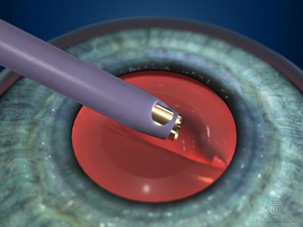 Is there only one technique of cataract surgery?
No, there are many techniques of cataract surgeries. But Phacoemulsification is a modern form of surgery in which through a 2.2 or 2.8 mm incision with foldable IOLs is implanted at the site of cataract is most common. Surgery through still smaller incisions (1.8 mm) is also available but not so commonly done. Older varieties of surgeries take longer time for wound healing and may not give visual results as good as Phacoemulsification.
Is there a choice in the type of lens to be implanted in the eye?
Yes. There are many types of lenses available for implantation in the eye. The simplest ones are known as Monofocal foldable lenses (IOLs) which correct one’s vision for distance only. Multifocal IOLs provides almost 85 % of maximum of both near and distance vision. Toric IOLs are special IOLs which are used to correct abnormalities in the shape of the cornea which per se may reduce the quality of vision. Toric Multifocals are also available which serve the purpose of Multifocal and Toric IOLs in the same lens.
Can I have cataract surgery if I have other diseases?
Cataract surgery is avoided during episodes of acute illness like fever, infections, cough and cold. Patients with well controlled diabetes and hypertension (blood pressure) can easily undergo cataract surgery. Patients with advances diseases of the heart, lungs, kidney, liver or any other organ need to have a detailed examination and clearance from their respective physicians to undergo surgery.
If I have cataract in both eyes can I have both eyes operated on the same day?
Although both eyes can be operated on the same day, most surgeons prefer to keep a gap of at least a week between the surgeries of the 2 eyes. However, exceptions can be made as per the need of the patient and each individual case.
How long do I have to be in the hospital after the surgery?
Patients typically have to spend only a few hours at the hospital and are allowed to go home in the afternoon.
How long after surgery will I be able to see again?
Every patient and every eye is different, but most patients typically see well enough to drive only a day after surgery. The doctor can tell how quickly he or she expects you to recover.
How many days after the surgery can I return to normal activities?
Most patients can resume basic activities like reading and watching TV the day after surgery, and can usually return to work within two to seven days. It is advisable to avoid any strenuous activity for two or more weeks. Results vary by patients; however, so ask your doctor what’s best for you.
Will I have to wear glasses after cataract surgery?
Usually most of the activities of daily living can be carried out without glasses after cataract surgery. If a Monofocal IOL has been implanted in your eye, you will have excellent distance vision but may need to wear glasses to see fine print in books and papers or to do other activities at near distance. Same is true for Toric Monofocals IOLs. With plain Multifocals and Toric Multifocals a person can lead a more spectacle independent life and is able to perform almost all the tasks of near and distance vision without glasses.
Will I get cataract again after surgery?
Once a cataract has been removed, it cannot return. However, after some time, patients may notice that their vision has once again become blurred. This condition is known as a secondary cataract or posterior capsular opacification (PCO) and can occur after cataract surgery with any type of IOL. It can be easily treated with a simple laser procedure performed in the clinic.
Can the IOL be replaced if it doesn't work properly?
It’s very unlikely that the implanted IOL won’t function properly. However, it can be replaced with a different one if necessary. Your surgeon will usually take a decision regarding such an exchange if required.
What precautions should I take after surgery?
Refraining from rubbing your eye or engaging in any strenuous activity for a few weeks after surgery and using the eye drops as prescribed usually suffices as precautions after the surgery. However, as each case is different, one should ask the doctor about any additional precautions if required.
Who should I call if I have a problem after surgery?
Consult your doctor immediately if you have any issues, particularly if you experience decreased vision or increased redness and pain. Do not postpone this consultation as it may be sight threatening. Ask your doctor whether there are emergency services available in his clinic if you need to call upon him after office hours.